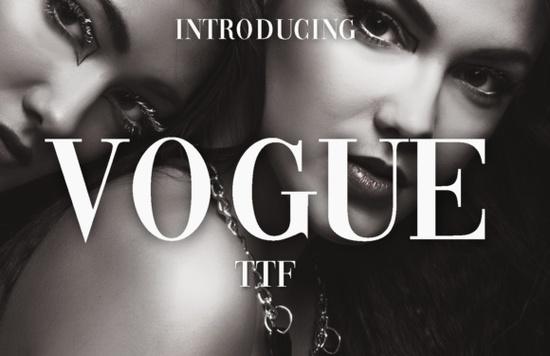
If you're looking for a stylish, high-end font that reads like luxury fashion at first glance, the Vogue Font is a natural choice. It’s not just another script or display typeface it’s carefully crafted to echo the refined, confident energy of iconic fashion branding. Whether you’re designing a boutique logo, printing greeting cards for a bridal client, or building a collection for your print-on-demand shop, this font works well where visual tone matters most: headlines, book covers, social media banners, and packaging.
What kind of projects does Vogue Font suit best?
This font shines in contexts where elegance and intentionality are key. Think wedding stationery with minimalist gold foil accents, Instagram quote graphics for lifestyle brands, or custom apparel tags for a small fashion label. Because it’s designed with strong contrast, clean curves, and balanced spacing, it remains legible even at smaller sizes unlike some ornate fonts that blur or lose impact when scaled down.
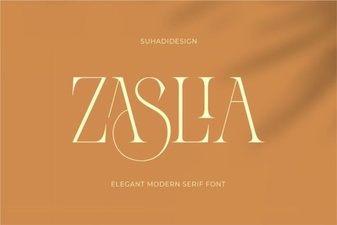
It pairs especially well with neutral sans-serifs (like Montserrat or Inter) for body text, letting the Vogue Font carry the voice while supporting type stays functional and readable. If you often work with serif-based layouts for example, editorial designs or vintage-inspired posters you’ll find it fits smoothly alongside other refined options like the Fashionable Font or the classic Zaslia Font.
How does it compare to similar fashion-themed fonts?
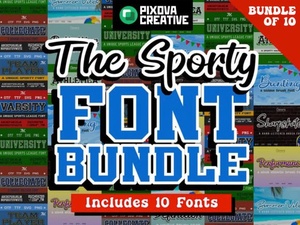
Unlike bolder, more aggressive fashion fonts (like those in the Sport Bundle Font collection), Vogue leans into subtlety not loudness. It doesn’t rely on sharp angles or exaggerated swashes. Instead, its strength lies in quiet confidence: consistent stroke weight, graceful terminals, and letterforms that feel intentional rather than decorative.
That makes it versatile across mediums. You can use it for laser-cut wood signs without worrying about fragile details breaking during engraving. You can layer it over textured backgrounds in Canva or Adobe Express and still keep readability intact. And because it’s delivered in OTF and TTF formats, it works reliably in Cricut Design Space, Silhouette Studio, and most desktop publishing tools.
Who uses Vogue Font and why?
Small business owners who sell handmade accessories or curated gift boxes often choose Vogue Font when they want their brand to signal quality without saying a word. Print-on-demand sellers use it for niche collections think “Parisian Café” mugs or “Atelier” tote bags where typography helps tell the story before the customer reads a single line of copy.
Designers working with clients in beauty, wellness, or slow-living niches also reach for it when the brief calls for something timeless but not traditional. It avoids the stiffness of old-style serifs and the informality of many modern scripts. There’s a reason so many fashion magazines and independent labels lean into this aesthetic: it suggests care, curation, and consistency.
For crafters making SVG bundles or digital planners, Vogue Font adds polish to title pages and section headers especially when combined with subtle flourishes or thin-line borders. Just avoid using it for full paragraphs; it’s built for emphasis, not extended reading.
Where to use it and where to step back
- Do use it for: Logo lockups, cover art, product labels, Instagram story headers, embroidered monograms, and engraved jewelry tags.
- Avoid using it for: Long blocks of body text, low-resolution web buttons, or anything requiring strict accessibility compliance (like WCAG AA contrast standards for main navigation).
If you’re exploring alternatives, the Vogue Font stands out for its balance of personality and practicality. Other fashion-leaning fonts like Zaslia Font or Sport Bundle Font offer different moods: one more romantic, the other more athletic. But Vogue sits squarely in the center: polished, adaptable, and quietly authoritative.
One final note: licensing is straightforward. The standard license covers personal and commercial use including selling physical products (like t-shirts or notebooks) and digital goods (like Canva templates or Procreate brushes). Just double-check the included license file if you plan to embed it in apps or SaaS platforms.
Before downloading: Open a mockup in your preferred design tool, type a short phrase (“Spring Edit”, “Est. 2024”, “Studio One”), and test it at three sizes 24pt, 48pt, and 96pt. See how it holds up across your intended output (screen, print, cut file). If it feels right at all three, it’s likely a good fit for your current project and possibly several more.
Try It Free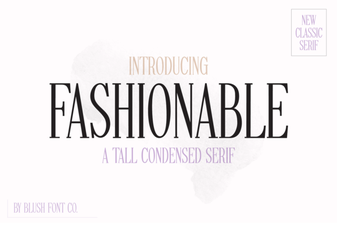 Font Styles for Creative Projects and Design Value
 Zaslia Font: Modern Design & Creative Project Ideas
 Design Your Game with Sports Bundle Fonts
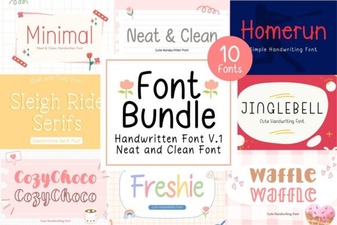 Neat Handwritten Font Bundle for Creative Projects
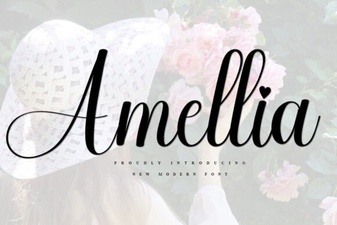 Amellia Font: Elegant & Modern Typography Styles
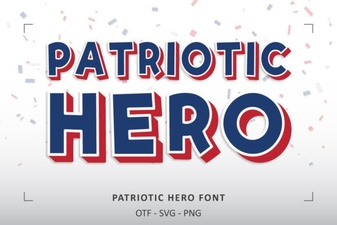 Patriotic Fonts for Historical Design Projects