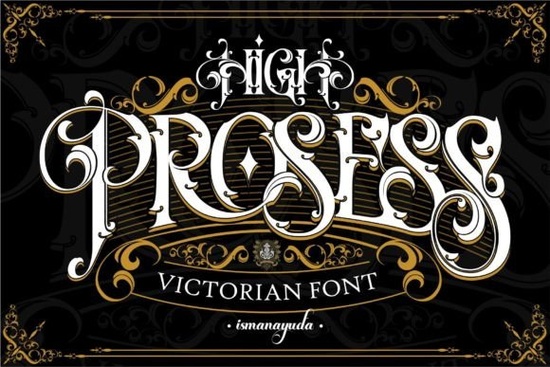
If you're looking for a bold, high-impact blackletter font that works well for logos, t-shirts, posters, or vinyl decals, High Prosess Font is a solid choice. It’s thick, confident, and built to stand out without feeling overdone or dated. Unlike some blackletter fonts that lean too ornate or hard to read at smaller sizes, High Prosess balances tradition with clarity. It’s especially useful if you’re designing for craft projects, small-batch apparel, or print-on-demand storefronts where legibility and visual weight matter.
What kind of projects does High Prosess work best for?
This font shines in contexts where you want strong visual presence but don’t need delicate flourishes. Think: band merch, gym branding, tattoo flash sheets, brewery labels, or gothic-themed greeting cards. Because it’s thick and tightly spaced, it holds up well on heat-transfer vinyl and screen prints even at medium sizes (around 36–48 pt). It also pairs cleanly with simpler sans-serif fonts for contrast, like using it for a headline alongside a clean body font like Montserrat or Open Sans.
It’s not ideal for long paragraphs or body text blackletter styles rarely are but that’s not what it’s made for. If you’ve tried other blackletter fonts and found them too fragile or fussy, High Prosess offers a more grounded, no-nonsense alternative.
How does it compare to similar blackletter fonts?
Compared to classic gothic styles, High Prosess feels more contemporary not retro, not medieval, but purpose-built for modern makers. You’ll notice its letterforms have consistent stroke weight and minimal tapering, which helps it scale predictably across formats. That’s why many crafters prefer it over more traditional blackletter options when cutting stencils or prepping files for Cricut or Silhouette machines.
If you’ve used Brother Gothic, you’ll recognize the shared family traits strong verticals, angular terminals, and tight counters but High Prosess leans bolder and slightly less condensed. It’s also more forgiving when kerning manually, since spacing between letters is more uniform out of the box.
Is it easy to use with common design tools?
Yes. High Prosess comes as a standard OTF file, so it installs and works in Adobe Illustrator, Photoshop, Canva (via upload), Affinity Designer, and even free tools like Inkscape or GIMP. No special software or licenses needed for personal or commercial use just install and start typing. We’ve seen users drop it straight into mockup templates without adjusting tracking or baseline shift.
One practical tip: because it’s so dense, avoid setting it in all caps at very small sizes (under 24 pt) on low-res screens it can blur or lose definition. For digital previews, preview at 100% zoom or export as PNG/PDF to check crispness.
Who typically chooses this font?
Small business owners building brand assets especially those in fitness, music, or artisanal goods often pick High Prosess when they want something distinctive but not overly niche. Print-on-demand sellers report good conversion rates on designs using it for vintage-style hoodies or enamel pins. Crafters who cut iron-on transfers say it cuts cleanly on both vinyl and paper stencil material.
Designers working with clients who ask for “something bold and timeless, but not script” also reach for it regularly. It bridges the gap between old-world typography and current design expectations no extra plugins, no learning curve.
Where can you find more blackletter fonts like this?
If you like the look and function of High Prosess Font, you might also explore other blackletter fonts on Creative Fabrica especially ones tagged for “craft,” “POD,” or “cutting machine.” Many include alternate characters, ligatures, or bonus dingbats that extend usability. Just keep an eye on licensing: most allow unlimited commercial use, but always double-check the product page before scaling up production.
For reference, another reliable option in the same style category is Brother Gothic Font slightly narrower and more structured, great if you need tighter fit in narrow layouts like bottle labels or banner headers.
Before you download or buy:
- Test it at your most common size and output method (e.g., 40 pt on a Cricut Explore Air 2)
- Check whether your design tool supports OpenType features if not, stick to the standard character set
- Preview how it looks next to your secondary font(s) to confirm contrast and hierarchy
- Save a version of your file with outlines applied before sending to print or cut
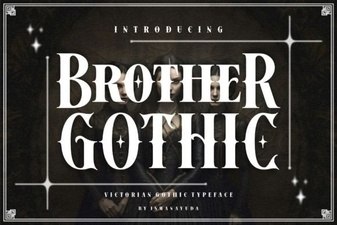 Brother Gothic Font for Modern Graphic Design
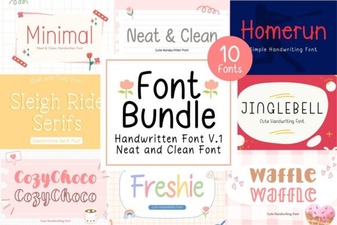 Neat Handwritten Font Bundle for Creative Projects
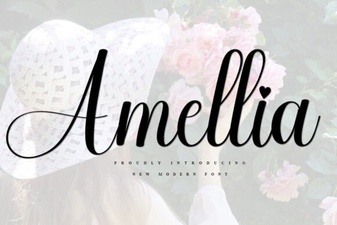 Amellia Font: Elegant & Modern Typography Styles
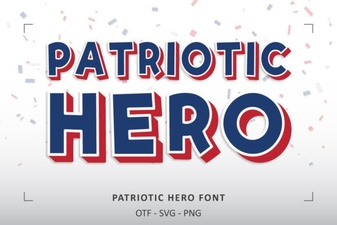 Patriotic Fonts for Historical Design Projects
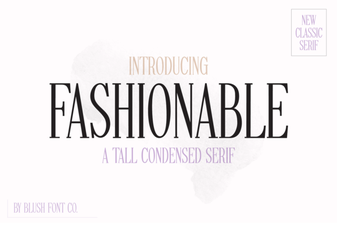 Font Styles for Creative Projects and Design Value
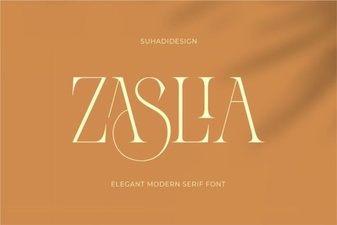 Zaslia Font: Modern Design & Creative Project Ideas